

How Enterprise Architects can get more support for technology led innovation
Enterprise Architects are increasingly vital as guides for technology-led innovation, but they often struggle with obstacles like siloed teams, misaligned priorities, outdated governance, and unclear strategic value. The blog outlines six core challenges—stakeholder engagement, tool selection, IT-business integration, security compliance, operational balance, and sustaining innovation—and offers a proactive roadmap: embrace a “fail fast, learn fast” mindset; align product roadmaps with enterprise architecture; build shared, modular platforms; and adopt agile governance supported by orchestration tooling.
Team Calibo, June 18, 2025
Read more

AI is creating more opportunities. The new bottleneck is turning them into outcomes
AI lowers the cost of analysis, development and experimentation, expanding the number of opportunities enterprises can pursue. The new challenge is building the capacity to select the right opportunities and turn them into measurable business outcomes.
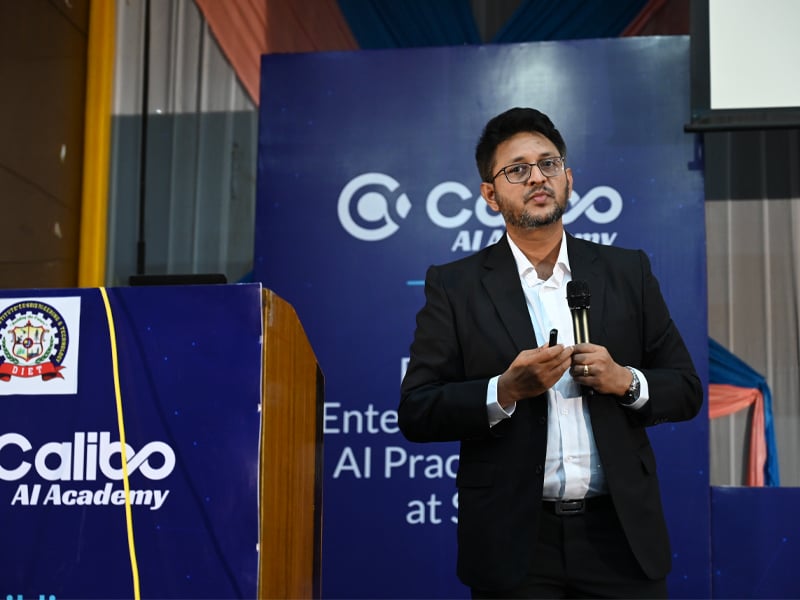
Beyond AI curiosity: What engineering graduates must build for enterprise readiness
AI curiosity and tool exposure are only the starting point. Engineering graduates become enterprise-ready when they can frame business problems, work with relevant data, build and validate practical solutions, collaborate across functions, and demonstrate value. This article explains how colleges can complement academic foundations with real-world practice, industry mentorship, and visible evidence of capability.

From AI Investment to Business Outcomes: A Practical Enterprise Playbook
Most enterprises are investing in AI, but few are happy with business outcomes. This practical playbook shows how to scale impact with a governed AI sandbox, minimum viable data, semantics, and a repeatable methodology.
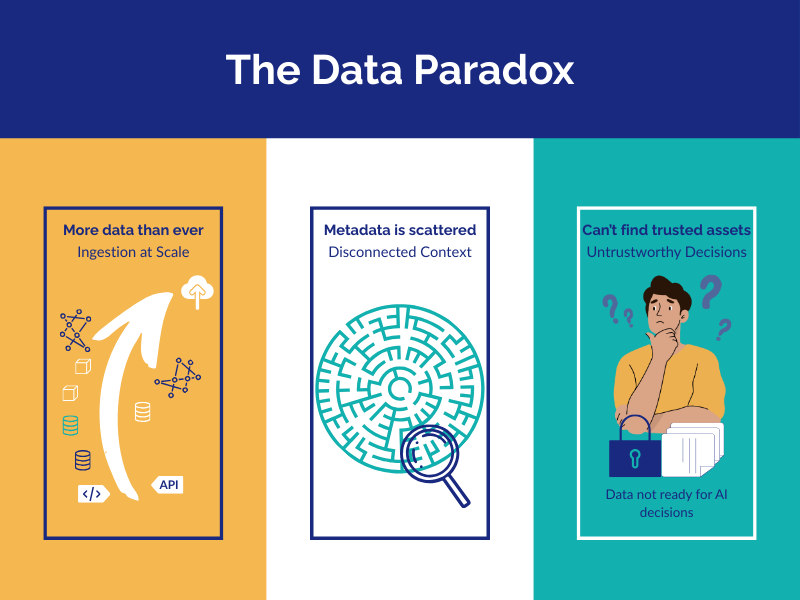
Your AI Strategy Isn’t Failing Because of the Model—It’s the Data
AI isn’t your bottleneck—data is. Learn why pilots don’t scale and how a governed, data-as-a-product approach makes enterprise AI production-ready.
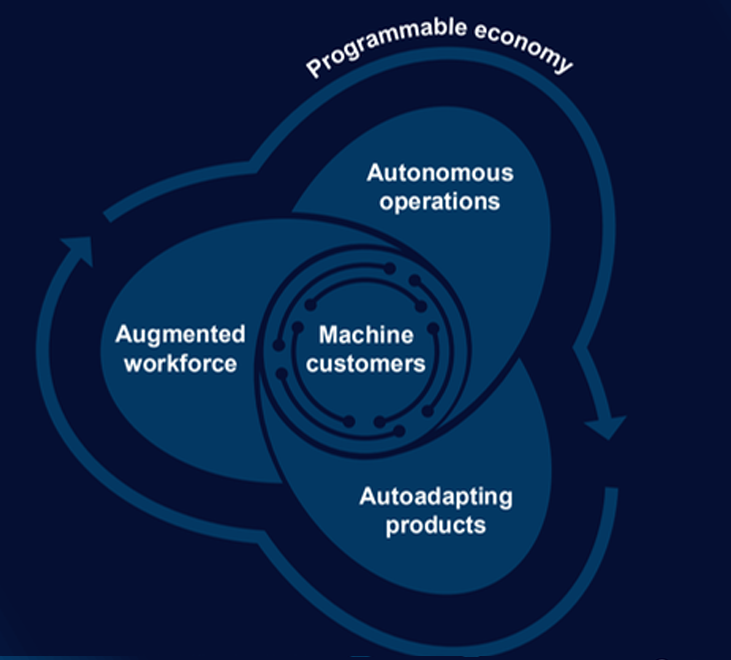
The Road to Autonomous Business: agentic AI, data, and the top technology trends for 2025–2026
CIOs and CTOs are moving to outcome-first execution with agentic AI. Learn the “data hourglass” bottleneck and the data fabric + metadata foundation for autonomy.

Davos 2026: Why AI Adoption Still Falls Short and What Truly Drives Enterprise Scale
By Raj Vattikuti, Chairman and Founder, Calibo TL;DR: Enterprises don’t lack AI ambition or experimentation. They lack a trusted, practical path from experimentation to production. AI scales when businesses can experiment safely in a governed sandbox, deliver bite-sized use cases, and move proven intelligence into production in an automated way—with trust and governance built in. Key takeaways As global leaders…
